



Over the past few days I’ve been reflecting on the beautiful gathering we shared at Interfaith REPAIR.
I want to begin with a simple word: thank you.
Thank you to the participants who came with open hearts.
Thank you to the workshop facilitators — Sam Akers, Rabbi Spector, Wendy Ulrich, David Whippy, James Patton, Pastor Jamie White and Dave White and Ravi Gupta and family — who offered their wisdom, practices, and traditions.
Thank you to Katie Searle, Jamie White and all of our volunteers for doing such a superb job organizing everything behind the scenes.
Together we created something sacred.
During the gathering I shared a story that has shaped how I understand peace. I want to share that story here.
Hearts of Stone and Flesh
“I will give you a new heart and put a new spirit in you; I will remove from you your heart of stone and give you a heart of flesh.”
— Ezekiel 36:26
A number of years ago, I brought nine peacebuilding students with me on a field trip to Jerusalem. We visited sacred sites and like the Western Wall, or Ha-Kotel-ha-Maaravi, the Church of the Holy Sepulcher and the Al-aqsa Mosque and met with amazing people on all sides of the conflict.
I had often felt deeply connected to God at each of these places. My students and I pondered what it meant as we visited other sacred sites and some of them shared profound spiritual experiences
On our last day in Jerusalem we planned to go to the Dead Sea for a day of fun. One the morning of the trip, a man named Mohammad called.
His family had a small olive orchard, and the olives needed to be harvested and pressed into oil. I had nine young, able students. Would we spend the day with his family picking olives?
I rounded up our students and explained that we were taking a di!erent sort of field trip to this small Palestinian village. Many of the students were nervous. Inundated with negative images of Palestinians and Arabs for much of their lives, some were anxious about this excursion. We said a prayer and went to help despite their fears.
Mohammad greeted us warmly and put us to work. We spread tarps beneath the trees, climbed branches, and stripped olives from the limbs.
Around midday some of the Palestinians began singing childhood songs. After they sang, our students spontaneously broke into silly Primary songs they learned as children at church. They sang “Popcorn Popping on the Apricot Tree.” Soon, the chorus of Palestinian-Primary songs resounded through the olive grove.
Two worlds singing together in an orchard.
As the sun set, the family set up a long table outside the house and brought food.
Mohammad sat at one end of the table and invited me to sit at the other. My students and his family sat between us. Before we ate, Mohammad stood to make a speech.Before we ate, Mohammad stood to speak.
“I want to thank you for taking your whole day to help my family,” he began.
“I know you have many misconceptions about our people. I see what your television and newspapers say about us. I know many Americans hate us. I hope you have seen today that we are good people. We are a family-oriented people. We would rather pick olives than make war. I hope your views of us have changed today.”
The heads of my students silently nodded. Some had tears in their eyes (mine included). Some tears came from love, others from shame for the fear they had previously felt. The speech wasn’t over.
“I want you to know that my view has changed too. I don’t like Americans much. I don’t know Mormons very well, but I don’t think I liked them either. I see Americans as spoiled and selfish. You are always putting yourselves first. But here you were, helping a family you didn’t know, working hard, getting your hands dirty, and working side-by-side with my family. Perhaps I have misjudged you, too. Perhaps we aren’t as di!erent as I have believed.”
Then he asked if I would offer the prayer for the meal.
I hesitated.
“Mohammad,” I said, “would you be offended if I prayed the way my family and faith community pray?”
He smiled.
“Of course not. I would expect you to pray the way you know.”
I asked one more favor.
“Would you be offended if we held hands while we pray? It’s a tradition in my family.”
Again he smiled and nodded.
So we all joined hands around the table.
As I bowed my head, I suddenly felt a powerful spiritual presence—so strong that I could barely speak.
Then I heard a voice saying simply, “I am here.”
I don’t recall the exact words I prayed, but I will never forget the message. God is present whenever God’s children were joined together in heart and purpose, trying to understand each other and make peace.
As I finished the prayer, I looked up. Tears were now flowing down all our cheeks. We spent the next few hours eating, sharing stories, and connecting in ways we didn’t believe were possible.
Our hearts changed as we saw each other through new eyes. Our stereotypes dissolved. We embraced people we once perceived as our enemies. This embrace opened space for them to see us with new eyes.
That night we ate together, shared stories, and embraced people we had once seen as strangers—even enemies.
And our hearts changed.
The Fleshy Heart of Interfaith REPAIR
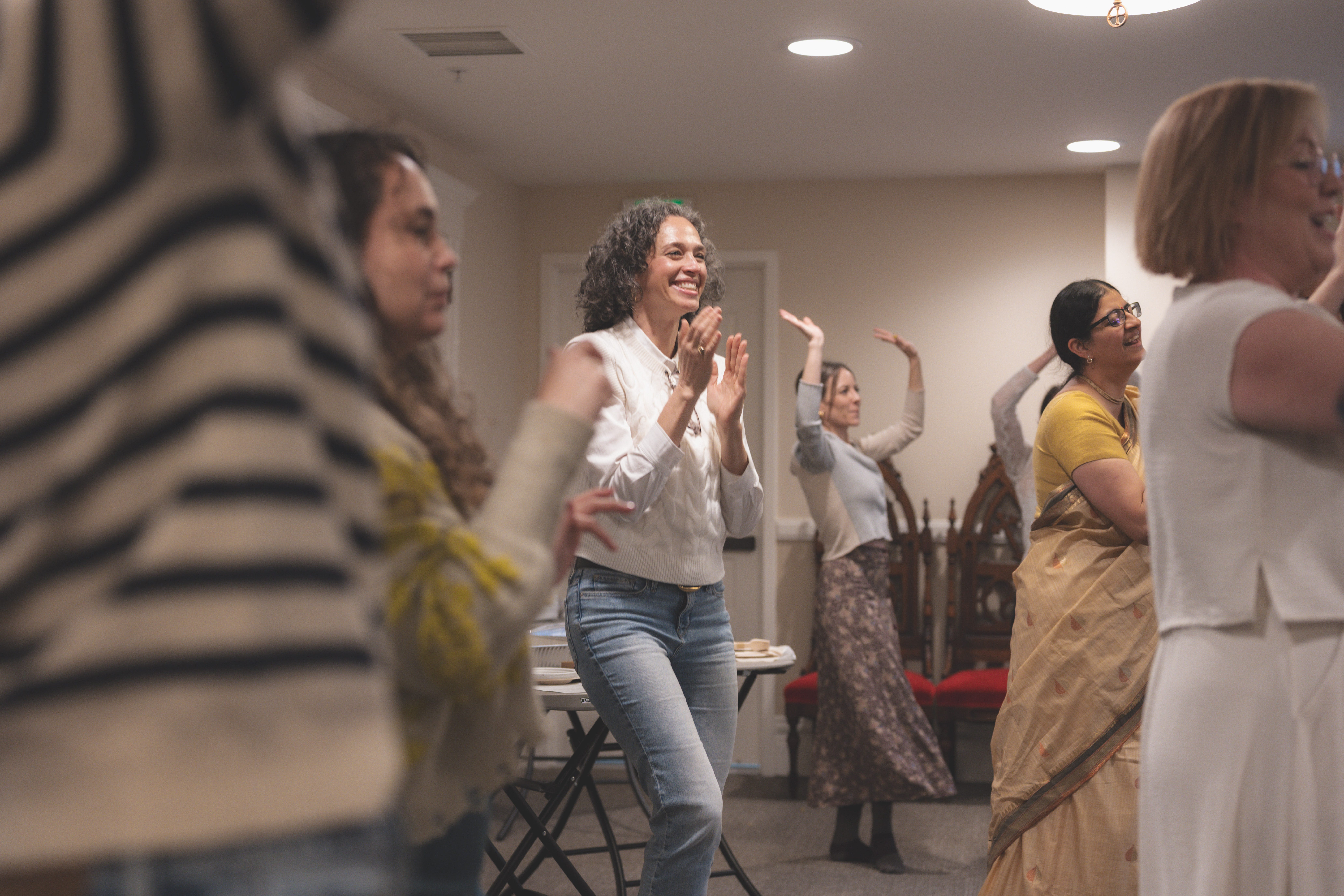
That story came to mind many times during Interfaith REPAIR.
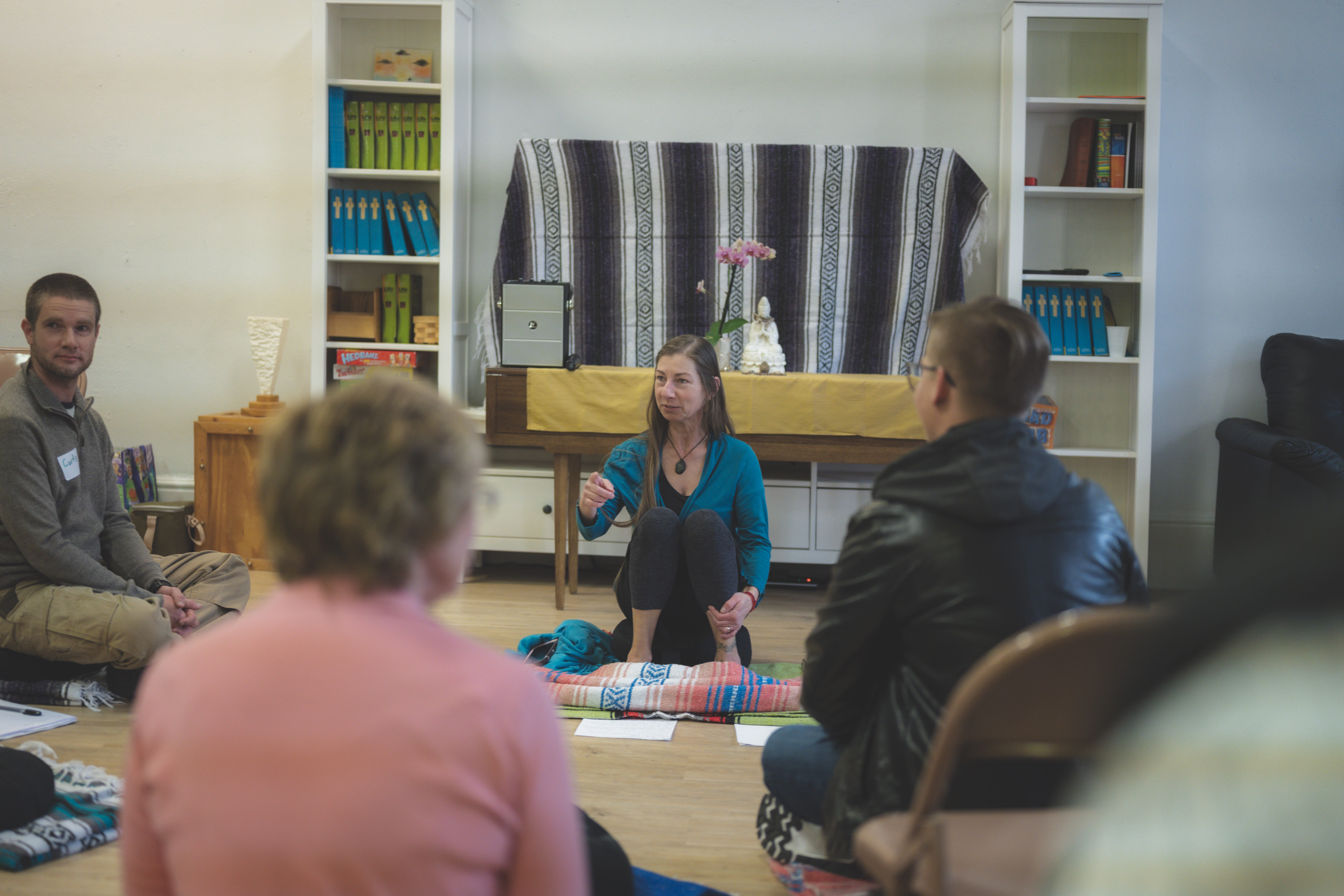
In workshop after workshop we saw traditions share practices of healing, repentance, reconciliation, compassion, and repair.
Different languages.
Different rituals.
Different sacred stories.
Yet something deeply familiar beneath them all.
Moments where hearts softened. People listened more deeply. We felt something sacred in the room.
In our own ways and through our own traditions, we felt the presence of God.
Thank you to everyone who helped create those moments.
The work of repair is never finished.
But gatherings like this remind me of a truth I learned long ago in an olive grove outside Jerusalem:
Whenever people come together with humility, mercy, and courage to understand each other— God is there.
Can’t wait to gather again with so many peacemakers at our next Waymakers event.
Thank you for the beautiful work you are doing. This article had a very profound effect on me. Truly we are all God's children trying to find our way home. Thank you for giving me cause to feel hope today.
I love my Bible Study with my multi-faith Christian neighbors